Areas / Toronto
Serving Toronto
Plumbing for Toronto homes and small businesses, from condos to century houses.
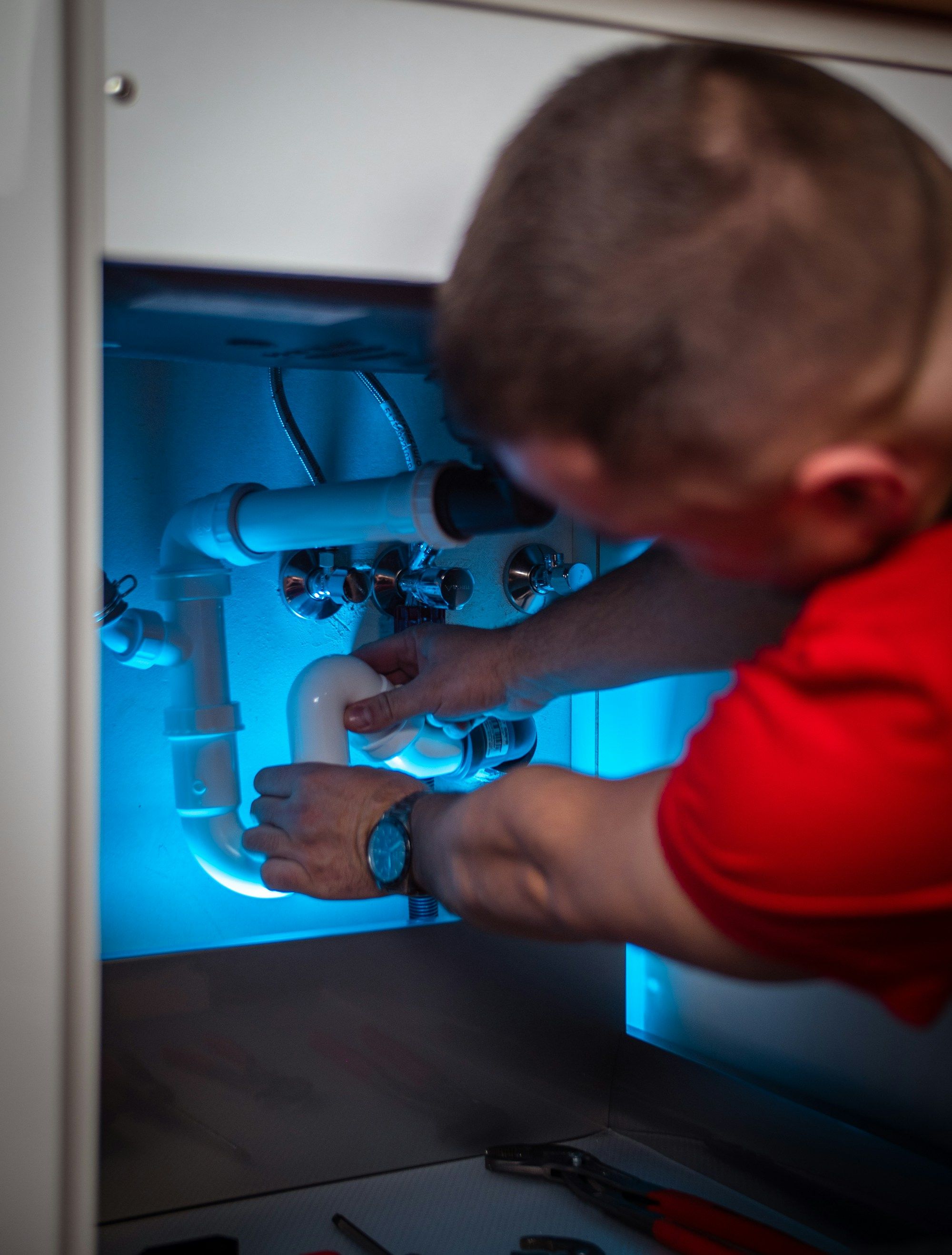
Toronto plumbing is a mix of eras. A downtown semi, a North York bungalow and a Scarborough townhouse can all sit a few streets apart, and each one has different pipes behind the walls. We start every visit by working out what is actually in your house, then explain the options in plain words before any work begins.
Local conditions
What Toronto plumbing looks like
Not every house in the city has the same problems. These are the patterns we see most often.
Century houses and old pipe
Many older Toronto homes still have original galvanized steel supply lines or old fittings. They tend to narrow with age, which shows up as weak pressure or rusty water.
Clay and cast iron drains
Older streets often have clay or cast iron laterals. Tree roots find the joints, so slow drains that keep coming back are worth a camera look.
Basement flooding risk
Heavy storms can push water back through floor drains in low-lying or older parts of the city. A backwater valve and a working sump are the usual first lines of defence.
Condos and tight access
Condo units and narrow semis mean shut-offs shared with neighbours, shared stacks and limited space. We plan around building rules and keep the mess contained.
Neighbourhoods
Neighbourhoods we cover in Toronto
We also cover the rest of the city. If your street is not listed, call and ask.
Downtown
Condos and mid-rise buildings where shut-offs and stacks are shared.
North York
Mixed housing from postwar bungalows to newer builds, so pipe age varies by street.
Scarborough
Many postwar homes and some low-lying lots where drainage deserves attention.
Etobicoke
Older and newer homes side by side, with lots of mature trees near laterals.
East York
Compact brick houses, many with original plumbing and finished basements.
The Annex
Large older homes with character, and the older supply lines that sometimes come with them.
Leslieville
Narrow Victorian and Edwardian rows, often with tight basements and old drains.
Roncesvalles
Semis and rows with mixed renovation history and tight mechanical rooms.
Services
What we do here
- Emergency repairsBurst pipes and backups do not wait. We prioritize active leaks and flooding.
- Drain cleaningRecurring slow drains in older homes often point to roots or aging lines, so we explain what we find.
- Pipe repairReplacing worn galvanized or damaged sections, with clear options for how far to go.
- Leak detectionUseful in semis and condos where a leak can travel before it shows.
- Water heatersSwaps that fit tight basements and utility closets.
Projects
Recent work in Toronto
Reviews
What Toronto clients say
Our semi has old pipes and we were nervous. They explained what was worth fixing now and what could wait, and the price held.
Slow basement drain in an old house. They found the cause, showed us, and left no mess.
These are sample reviews written for a demo site. PlumbFlow is a fictional business.
Read all reviews →Through the year
A year of home plumbing in Toronto
Toronto plumbing follows the weather. This is the rhythm we usually see.
Spring · Mar to May
- Check the sump pump before heavy rain
- Look for damp spots after the thaw
- Test outdoor taps for winter damage
Summer · Jun to Aug
- Watch for backups after big storms
- Check washing machine hoses
- Keep floor drains clear
Fall · Sep to Nov
- Shut off and drain outdoor taps
- Flush the water heater
- Look at exposed pipes before the cold
Winter · Dec to Feb
- Insulate pipes along cold exterior walls
- Know where your main shut-off is
- Call early for a frozen pipe
Permits
Permits & local rules
Some work needs sign-off from the municipality or another authority. These are general pointers for Toronto; the official pages below are the source, and rules change.
Basement flooding protection subsidy
The City of Toronto has a Basement Flooding Protection Subsidy Program for eligible homes, covering flood prevention devices. Programs change, so check the City page for what is currently offered and who qualifies.
Source: City of Toronto, basement flooding ↗Building permits
The City says a building permit is generally required for most construction, demolition, additions or major renovations. Whether a particular plumbing job needs one is best confirmed with the City before work starts.
Source: City of Toronto, building permits ↗Call before you dig
Any project that breaks ground needs underground locates first. The request is free and is required by law.
Source: Ontario Dig Authority (formerly Ontario One Call) ↗Questions
Toronto plumbing FAQ
Do older Toronto homes need all their pipes replaced?
Not always. We look at what is actually in your house and tell you which parts are worth replacing and which can wait.
What is a backwater valve?
It is a one-way valve on the drain line that helps stop sewage from flowing back into the house during heavy storms. We can talk through whether it makes sense for your home.
Can you work in a condo?
Yes. We ask about building rules and shut-off access when you book so there are no surprises.
Is there help paying for flood protection?
The City of Toronto has had a subsidy program for flood prevention devices. Check the City page linked above for current details.
Areas
Also serving nearby
Plumbing emergency? We're up.
Or send the form and we will get back to you quickly.