Hardscaping· 4 min read ·
Interlock and patio care before winter
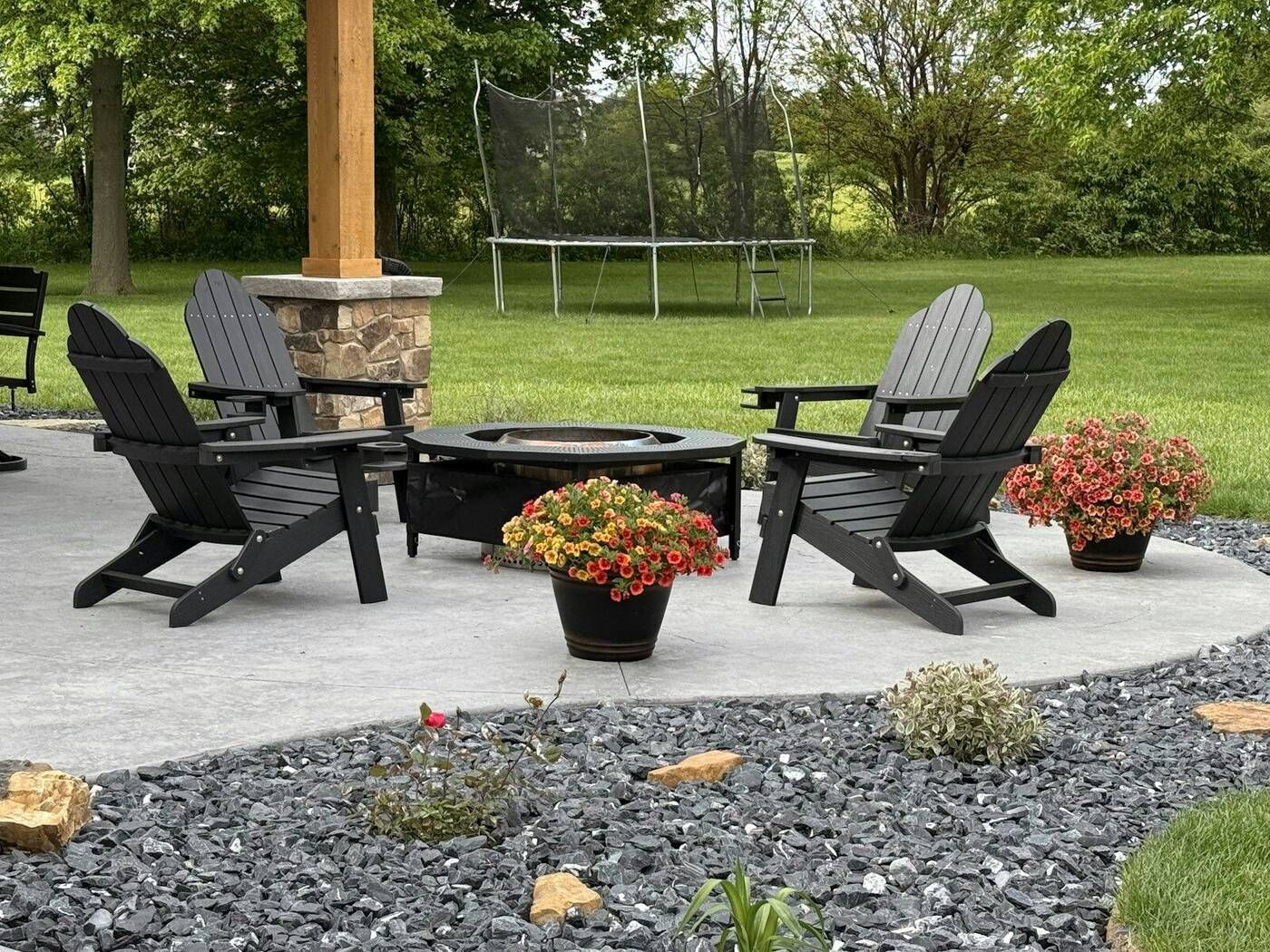
Interlock is tough, but our winters are tougher. Freeze and thaw cycles, road salt and shovels all take their toll. An afternoon of care in the fall keeps a patio or walkway level and good-looking for many years.
Here is what we check on every hardscape visit, and what you can do yourself.
Start with a clean surface
Sweep off leaves and debris, then wash the surface with a hose or a low-pressure washer. High pressure can blast the sand out of the joints, so keep the nozzle moving and the pressure modest. Pull or scrape out any weeds growing in the joints while it is damp.
Wait for the surface to dry before the next steps.
Refill the joints
The sand between the stones locks them together. Over the years rain and sweeping wash it out. Look for joints that have dropped below the edge of the stones. If you see gaps, sweep in fresh polymeric sand, brush it off the surface, and mist it lightly according to the instructions on the bag.
Crew tipcheck the weather first. Polymeric sand needs a dry spell of a day or two to set, and it can stain the surface if it gets rained on too soon.
Full joints also stop weeds and ants, and they help water run off instead of soaking down into the base.
Check the drainage
Water is the main enemy of any patio. Water that sits under the pavers freezes, expands and lifts the stones, and that movement is called frost heave. Walk the surface after a rain. The ground around the patio should slope slightly away from the house, and downspouts should not empty onto it.
If you see puddles, or stones that have sunk or tilted, the base may need attention. A sunken stone is usually a sign the base has washed out underneath. Resetting a few stones is a small job, but leaving it will let the problem spread.
Be careful with de-icers
Rock salt is hard on stone and concrete, especially in the first year or two. On a new patio, use sand or grit for traction, and shovel with a plastic blade rather than a metal one, which can chip edges. If you do need a de-icer, use one labelled safe for pavers, and sweep up what is left in spring.
Keep salt away from beds and lawn edges, because it burns plants.
“A good base does most of the work. The surface only has to look good.”
Put the furniture and planters away
Move chairs and tables to shelter. Empty ceramic and terracotta planters, because trapped water freezes and cracks them. Heavy planters left in place can stain the stone underneath, so move them occasionally.
If you have a fire pit, let it cool, clean out the ashes and cover it. Check that the surrounding stones are level and clear of debris.
White haze and other surprises
A pale haze on new pavers is called efflorescence. It is a harmless mineral deposit that comes to the surface as the concrete cures, and it fades over a year or two. Rust marks, oil or leaf stains are different and need cleaning products made for pavers. Test a small spot first.
Should you seal it?
Sealing is optional. A good sealer brings out the colour, resists stains and holds the sand in the joints. It needs to be reapplied every few years, and a wrongly applied sealer can leave a cloudy finish. If you are not sure, ask us before you buy a bucket.
Walls and steps
Look at retaining walls and steps for leaning, cracks or gaps. Winter will make small problems bigger. Anything that is moving or bulging deserves a professional look.
A quick fall checklist
- Sweep and wash the surface.
- Pull weeds from the joints.
- Top up the sand in any joints that have dropped.
- Check the slope and the downspouts.
- Store furniture, empty planters and cover the fire pit.
- Put a bag of sand or grit by the door for traction.
It is about an afternoon of work, and it prevents most of the repairs we are called out for.
Spring follow-up
Once the snow has gone, walk the surface again. Look for stones that have lifted or sunk, joints that have opened, and any salt residue. A light rinse and a top-up of sand is usually all it takes.
When to call us
For a patio that has settled, a walkway that needs resetting or a new build, our hardscaping team starts with a free visit, and builds on a proper base because that is what decides how well it lasts. See whether we work on your street on our areas page, or send a note through the contact page.
Want GreenScape to take care of it?
Tell us about your property and we will arrange a free visit and a clear quote.